the Conversation Space
Each month, Venus Forum will publish a single question. Women from different fields are invited to respond with a short reflection—100–300 words—sharing an idea, observation, or experience that feels meaningful to them.
The intention is simple: gather thoughtful perspectives and create a living archive of voices exploring creativity, leadership, digital culture, and the future we are shaping.
This month’s question:
What idea has been shaping the way you see the world lately?
If you would like to contribute a response, we invite you to visit the submission page and add your voice.
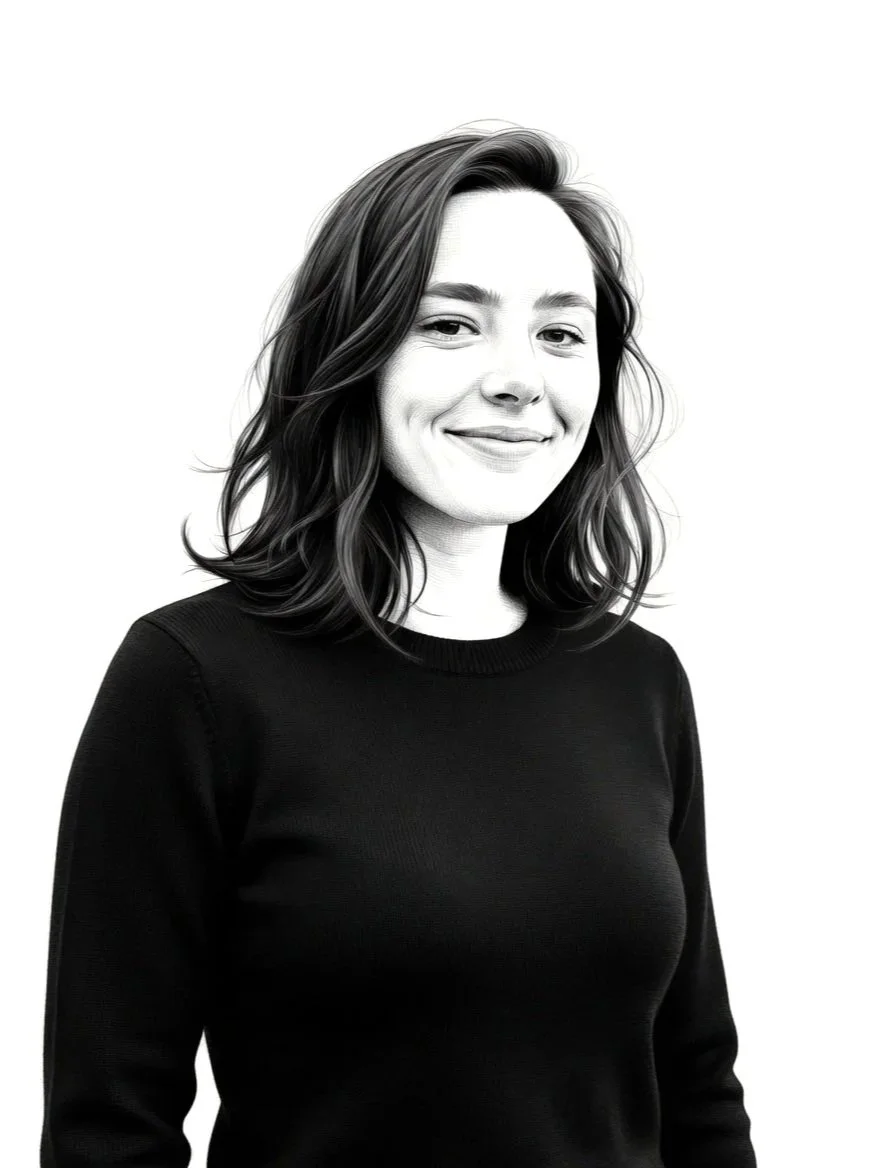
Permission shapes experience.
Lately, I’ve been thinking about permission —
how much of our experience is shaped not by what the body can do,
but by what we allow ourselves to feel.
I see it clearly in birth.
There is a moment when something opens.
The body takes over.
She is no longer fighting.
Midwives call it laborland — a state where time dissolves and experience becomes everything.
But not every woman enters it. And the reason is rarely physical.
Birth can hold more than pain.
It can hold strength, intimacy — even pleasure.
The same hormone guiding labor — oxytocin — is the one that moves us through love.
So why is this rare?
Because we inherit limits.
On how much ease, how much goodness, we allow ourselves to feel.
This is what I’m learning:
What changes the experience is not control —
but permission.
Khrystyna Kanevska
Birth and postpartum doula supporting women through the physical and emotional transitions of motherhood. Her work centers on the body as an intuitive guide—helping mothers move from control toward trust, presence, and permission.
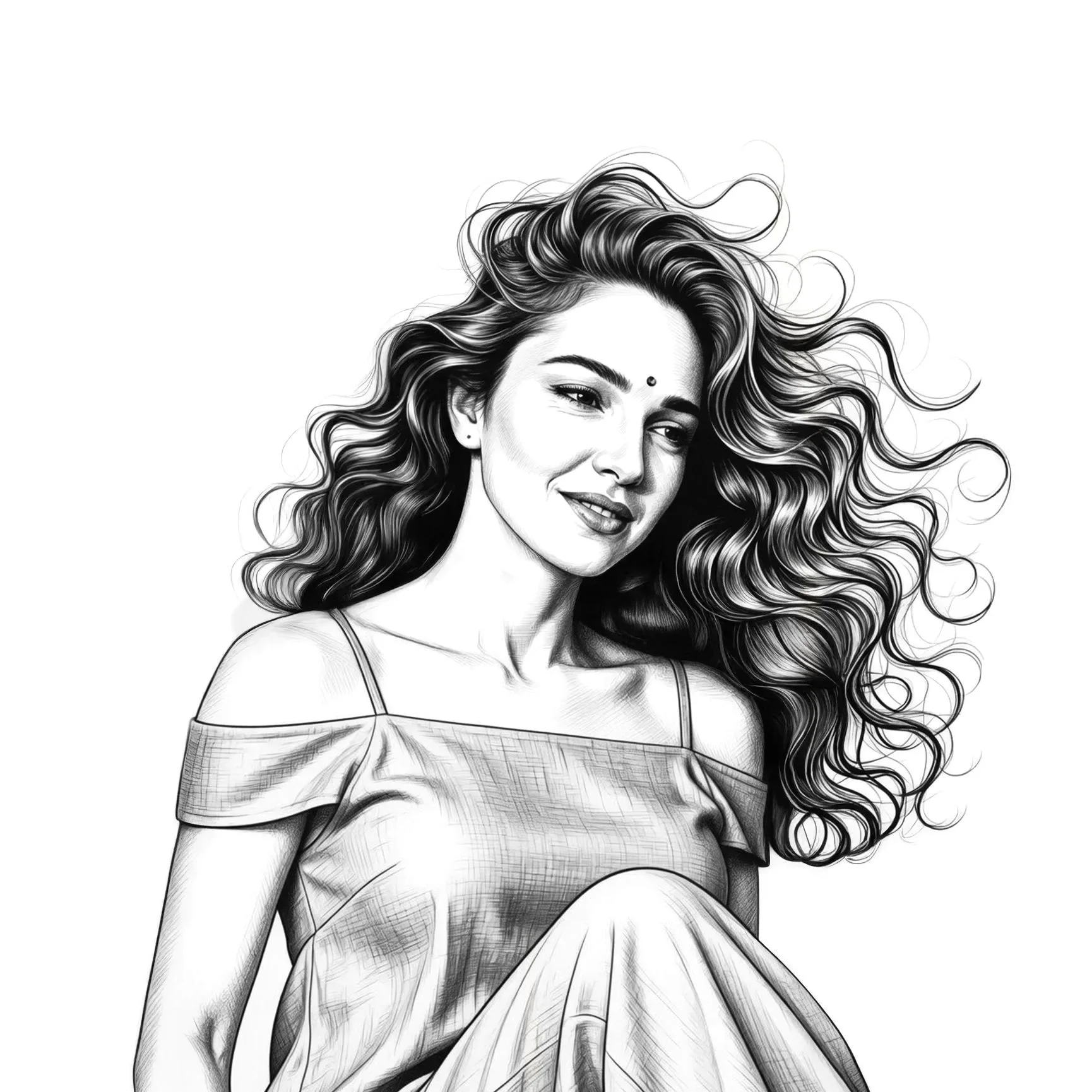
Every person is here for a reason. We are all different — each with our own path, purpose, and depth. And that is our beauty. What unites us is the ability to truly listen to ourselves.
To go deeper. Not where it’s loud and fast, but where it’s quiet and honest. To listen to the body, the breath, the feelings. To nourish ourselves with purity — not only through what we eat, but through our thoughts, our words, and everything we allow into our lives.
To choose a life guided by awareness and kindness. To fill ourselves with light instead of heaviness. To listen to what elevates us, not what diminishes us.
To walk barefoot on the earth. To feel its warmth. To return to nature — because there is no illusion there, only truth.
And through this, slowly remember who you truly are.
Who you have always been.
Slowly, we remember
who we truly are.
Shanti Om — Musician
Mother of four and self-taught musician creating work rooted in presence, care, and emotional clarity. Her music reflects a commitment to conscious living and inner awareness.
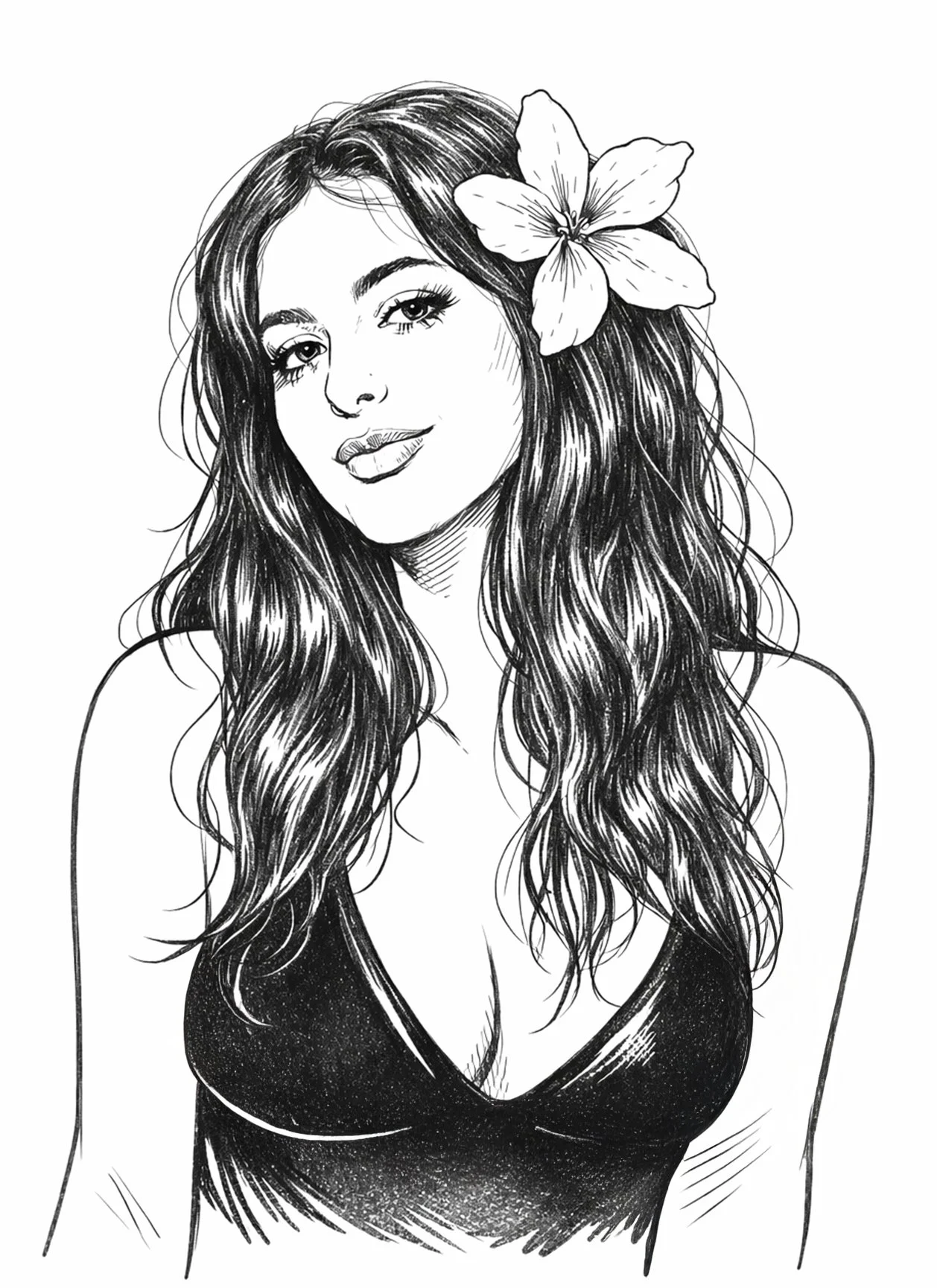
Dina Perfilieva
3× founder. Built a fashion brand worn by global celebrities and scaled Web3 products at the intersection of culture and technology. Now building AI-powered experiences exploring connection, perception, and desire.
Lately, it feels like I’m not just moving through places — I’m moving through versions of myself.
I’ve been thinking about how much of reality is shaped not by what happens, but by what we choose to notice. Attention becomes direction. And direction, over time, becomes identity.
So instead of feeding doubt, I’m learning to stay with the part of me that feels curious, awake, and alive.
Surfing has been reinforcing this. You can’t control the wave. The more you resist it, the more it throws you off. But the moment you stop fighting and learn to move with it, something shifts — the same force that felt chaotic begins to carry you.
Life seems to follow a similar rhythm. In the moment, it feels uncertain, fragmented, sometimes overwhelming. But with distance, things tend to arrange themselves into meaning.
It makes me wonder if there is a deeper trust available to us — not in outcomes, but in movement itself.
Letting go can feel unnatural at first. But when you do, you begin to experience life less as something to control, and more as something you’re in conversation with.
What we focus on doesn’t just shape reality — it shapes who we become.
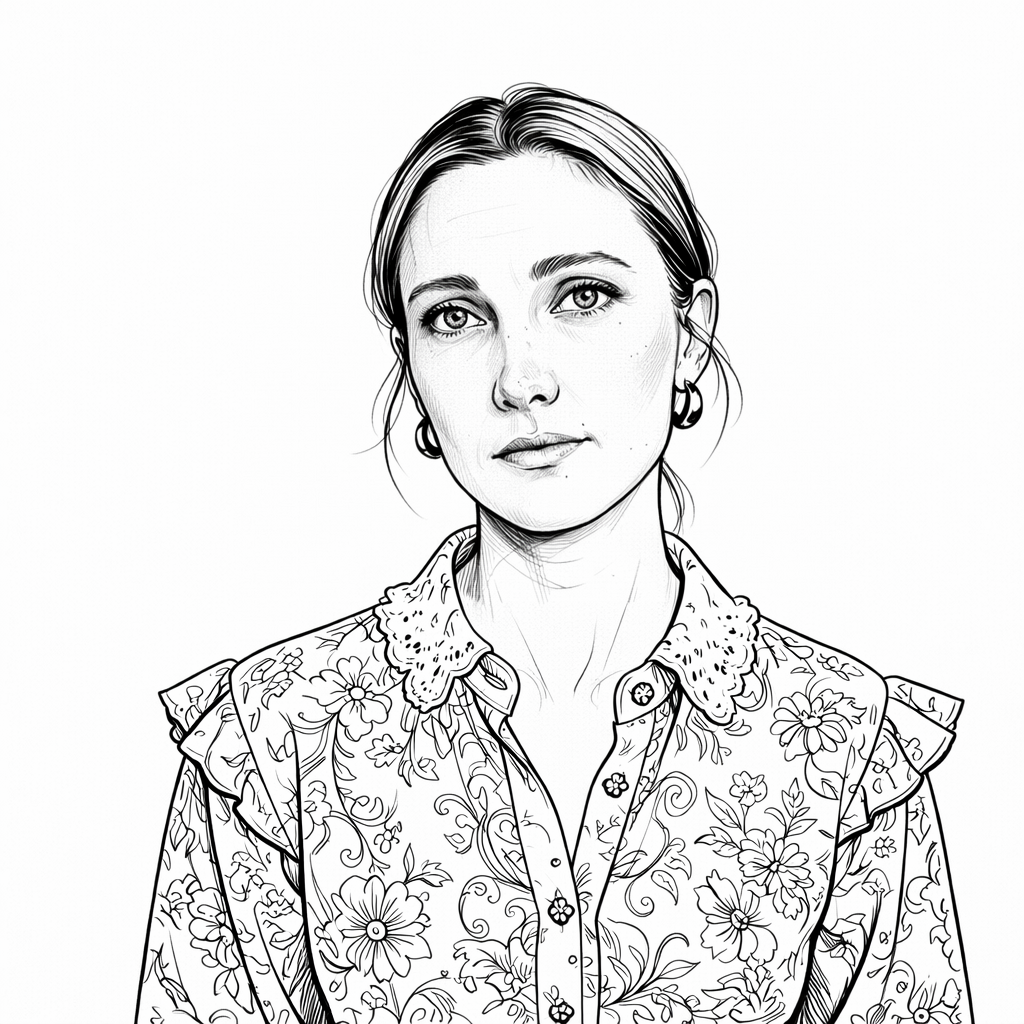
The most important moments in film happen within us while we watch.
Julia Fruchtbein
Finishing Producer, traveler, explorer, life lover. A storyteller shaped by inner experience with over 20 years in film.
Everyone carries their own map of the world. Not the one printed in atlases, but the one shaped by memory, emotion, and personal truth. We move through life not as it is, but as we are.
Close your eyes and the scenery disappears. The noise fades. What remains are impressions — thoughts, feelings, reflections of the mind. In that quiet space, reality feels less fixed, more fluid, almost negotiable.
Open your eyes again and the world returns. But it is never the world. It is your version of it. Your lens. Your interpretation. Your story playing in real time.
Close your eyes and the scenery disappears — what remains are reflections of the mind.
Perhaps this is why storytelling matters. Film, like life, is not about capturing reality perfectly. It is about translating experience — giving form to something internal and invisible. Every frame becomes a bridge between what is seen and what is felt.
After more than twenty years in film, I remain most fascinated not by what happens on screen, but by what happens within us while we watch. The quiet recognition. The shift in perspective. The moment something familiar suddenly feels new.
Maybe we are all just learning how to read our own maps a little better.
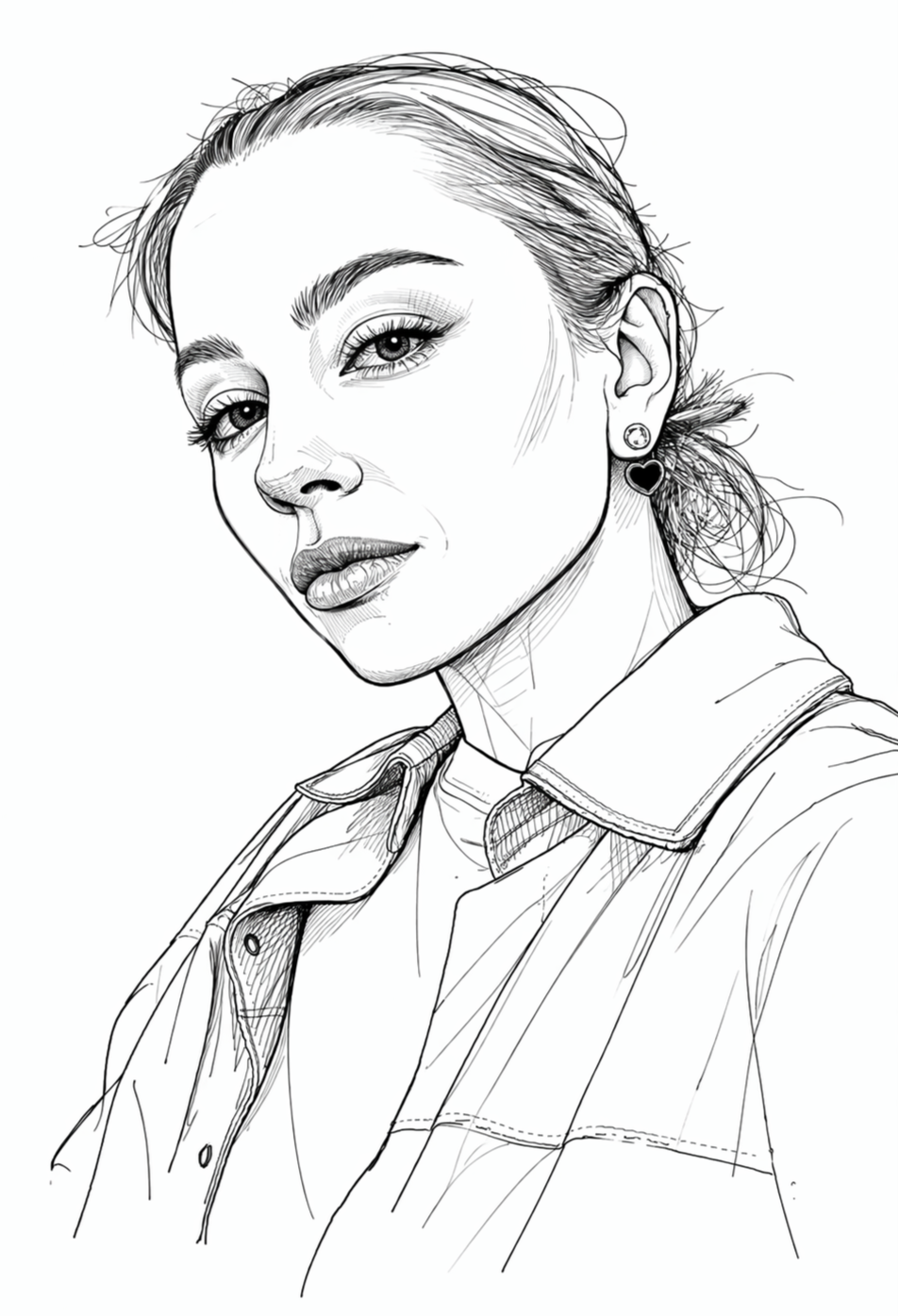
Kate Lagunova
Marketing director and writer inspired by Rilke’s Black Panther, reflecting on themes of inner strength, restraint, and personal freedom.
Modern culture often revolves around comfort and beauty — a kind of aesthetic way of living where we enjoy what is pleasant and try to avoid what is difficult. Grief, illness, loss, betrayal — these parts of life are often pushed aside, as if they should pass quickly or not exist at all.
Lately I’ve been drawing strength from a much older idea. For the ancient Greeks, the foundation of life was the courage to live one’s fate. Avoiding your path was considered the greatest cowardice. Heroes did not ask the gods for comfort or safety — only for strength and the ability to endure their journey.
I still love beauty, art, good food, and philosophy. But I no longer see them as a way to escape life’s difficulties. I see them as a way to restore energy so I can continue my path.
Meaning is not found in avoiding struggle, but in having the courage to live through it.
Dante captured this idea in The Divine Comedy, when Virgil tells him that passing through hell is necessary for his salvation. Avoiding the path, he explains, would be cowardice.
This idea has been shaping how I see the world: meaning is not found in avoiding struggle, but in having the courage to live through it. Sometimes we search for cosmic meaning while ignoring the scale of human difficulty — yet it is exactly there where meaning is formed.
Beauty is not an escape from life, but a way to restore strength for the path.
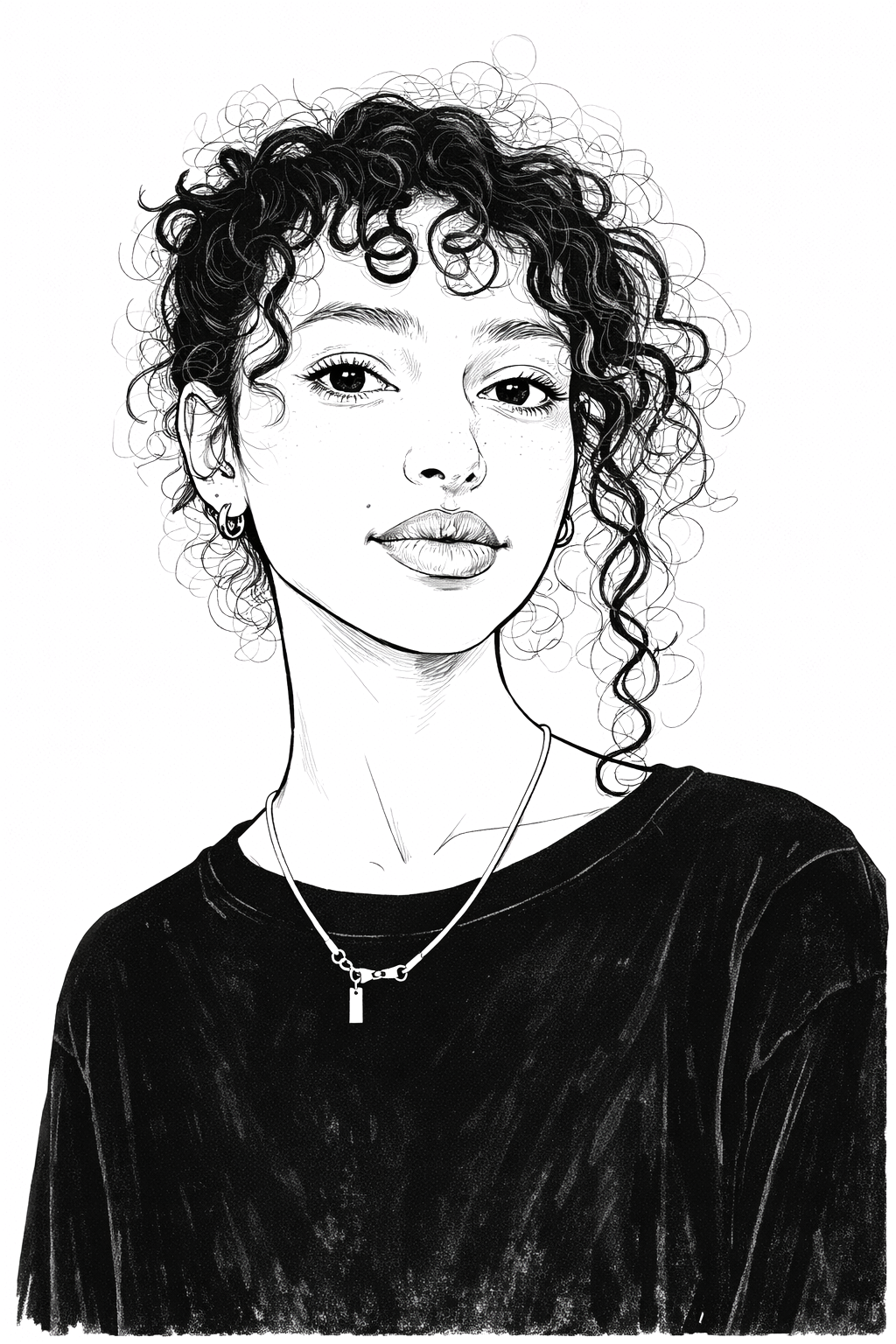
Camila Costa
Brazilian model and mother of six whose background in social work and studies in circular economy and psychoanalysis inform her interest in community care and emotional growth.
We heal faster when we don’t heal alone.
Lately I have been thinking a lot about the importance of connection and community. I believe we need spaces where people can come together, try new ideas, and support each other in meaningful ways. For me, this looks like creating circles of conversation — safe environments where people can speak honestly, listen deeply, and grow together.
The idea of circular systems, which I study through the lens of the circular economy, has also influenced how I see human relationships. Just like in nature, where nothing is wasted and everything supports something else, I believe we can build communities where care, knowledge, and emotional support move in a continuous cycle.
As a mother, I see how important it is to create environments where people feel supported rather than isolated. Modern life can feel very individualistic, but I believe we are stronger when we share experiences and help each other through challenges.
My hope is to be part of communities that encourage collaboration instead of competition, and where growth happens collectively. Sometimes the most powerful change begins simply by sitting together, listening, and being open to learning from one another.
Research is where taking your own life seriously begins.
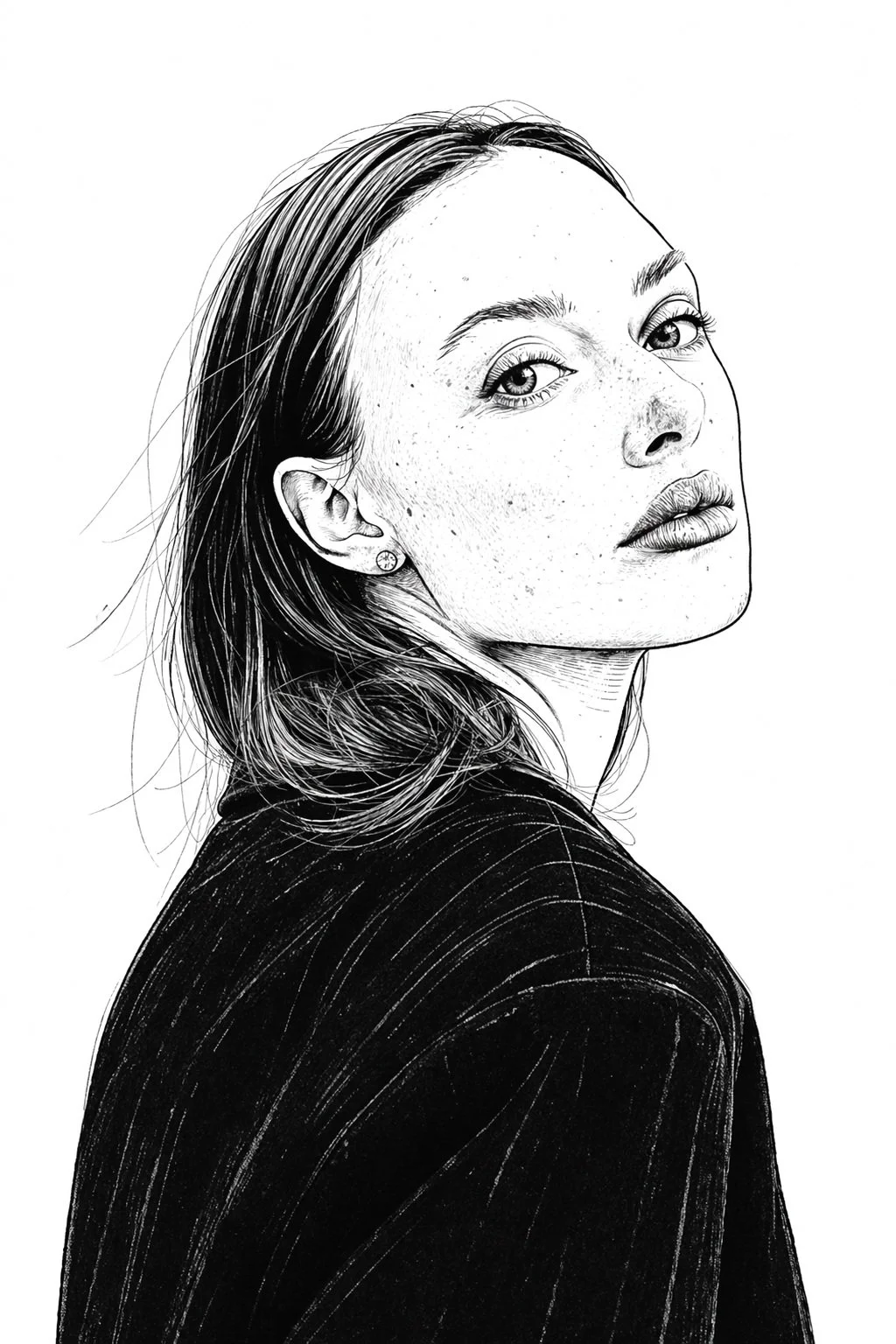
Anastasia Mamontenko
Ukrainian film director and writer exploring the inner worlds of her characters through poetic realism and sharp psychological observation.
Lately, I have been thinking a lot about the concept of knowledge — how crucial it is to dive deep, or at least touch the surface of a subject, in order to help yourself navigate turbulent times. One example is understanding your own mental health: researching, encountering different perspectives from psychotherapists, philosophers, and even esoteric thinkers, simply to better understand how your brain works, how the subconscious can hide things from us, and how symptoms function.
This is not about becoming a psychiatrist or diagnosing yourself. It is about educating yourself across different layers in order to rationalize pain and, metaphorically speaking, become a professor in a room full of lost people. Knowledge is light; not knowing is darkness. As David Lynch once said, you need to turn on the light in the room to see the picture on the ceiling.
I believe many things can be understood in an almost engineering way — from how the brain works to hormones and even the differences between male and female biological systems. In this age of fragmented, fast thinking, our main remedy, in my opinion, has two phases. The first phase is the paper book: reading essays, non-fiction about habits and routines, and classical literature. The second phase is artificial intelligence — an intellectual guide many of us may have missed in school.
You can read Madame Bovary in paperback and at the same time have a long discussion with ChatGPT to better understand its meaning and the author’s intentions. For me, one of the main ideas of this year is simple: educate yourself through two seemingly opposite tools — a paper book and a machine that always has time to be your personal tutor.
Knowledge is not a cure for pain, but it gives us the strength to face it.
Of course, knowledge is not a magic cure for pain. We can read Quantum Warrior or Rich Dad Poor Dad by heart and never become successful or wealthy. We can memorize the Bible and still never touch the essence of faith. But even 10, 20, or 30 percent of understanding gives us the potential to ease pain and become more aware of what is happening to us.
The same applies to any creative path. If a young photographer wants to become great, they should know what Camera Lucida is, understand composition, and study the photographers who shaped visual language. Not to be the smartest in the room, but simply not to be lost — to recognize that most discoveries build on what already exists.
Knowledge is a weapon against blindness. When people say films are no longer made like they were in the time of Fellini or Billy Wilder, it is often not entirely true. Such statements usually come from those who have not researched enough. And research is where taking yourself — and your path — seriously begins.
Sometimes progress begins with a move that doesn’t make sense yet
Mar 13
In 2016 an AI system called AlphaGo played the ancient strategy game Go against world champion Lee Sedol. Go had existed for more than 2,000 years. Millions of games had been studied. Strategies refined. Patterns memorized. Humanity believed it understood what good play looked like.
Then came Move 37.
A move professional players first described as strange. Even wrong.
Hours later they began to understand what they were seeing: not a mistake, but a move outside traditional human intuition. A move that didn’t follow inherited patterns. A move that revealed possibilities humans had simply never seriously considered.
After that match, professional players didn’t reject AlphaGo’s style.
They started studying it.
Today many Go players say AI expanded the way humans understand the game.
Not because AI knew more history.
Because it wasn’t limited by it.
Maybe the real lesson isn’t about technology defeating humans. Maybe it's about how often we confuse familiar thinking with correct thinking.
And how much may still be invisible to us simply because we learned to look in certain directions.

A few questions for the Venus Forum community
When was the last time you changed your mind about something important?
What would it mean to approach your work like a beginner again?
What perspectives do you think we still collectively overlook?